Trending ProductsView All Products







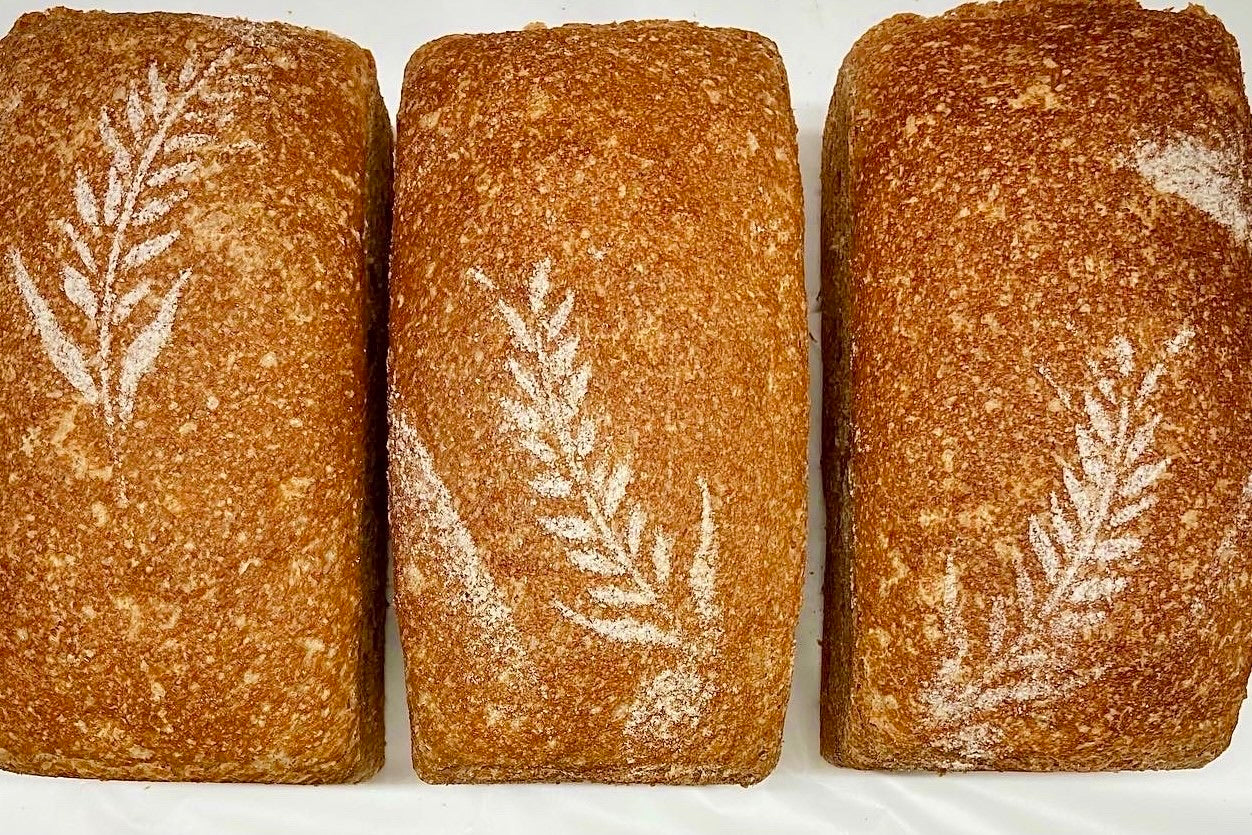


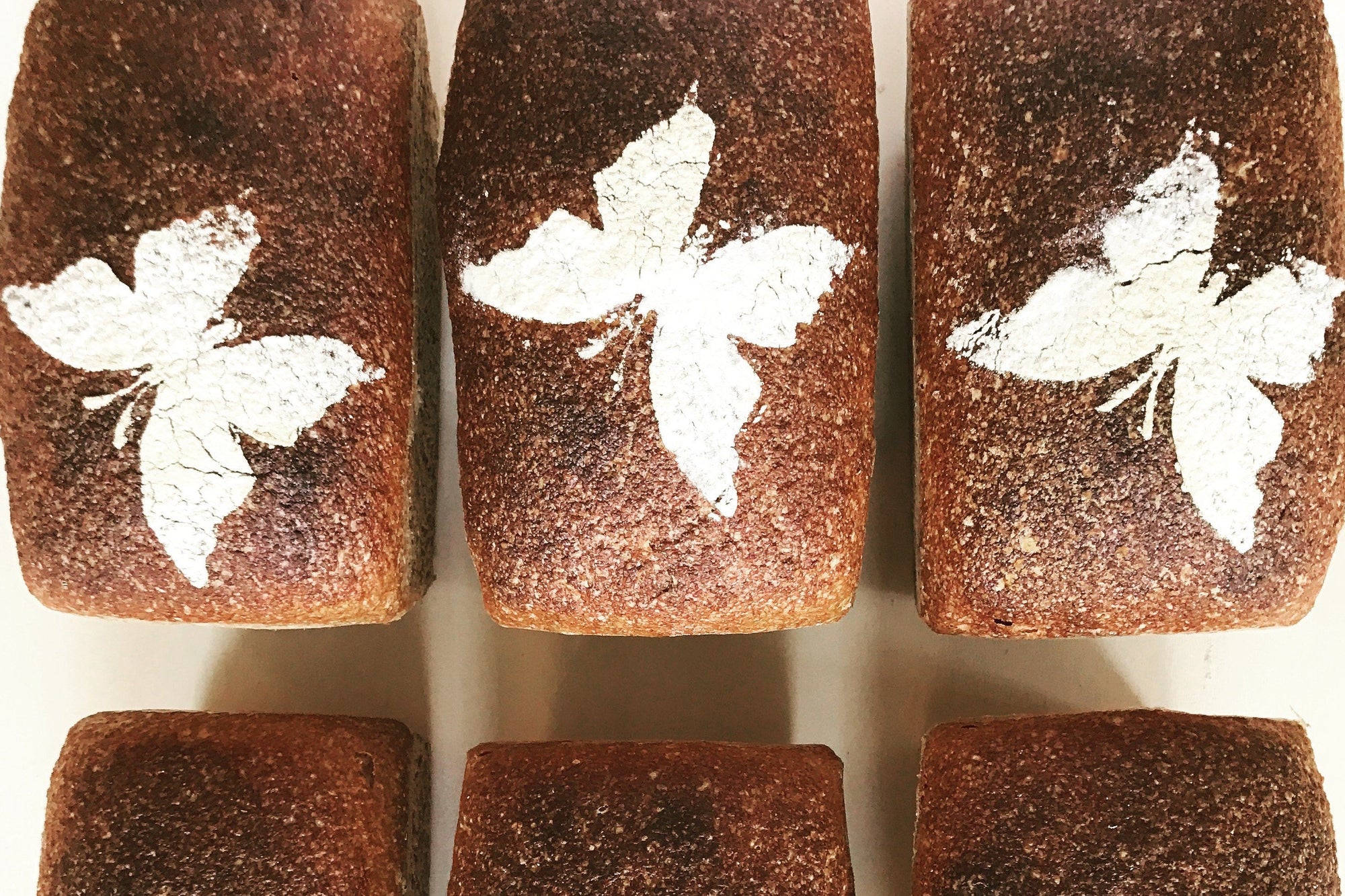
| Kimberley Bell, founder of Nottingham's Small Food Bakery, winner of the 2018 BBC Food and Farming Award for Best Producer and long-time friend, has very kindly shared her formula for baking with the YQ wheat flour milled from the cereal population developed by Prof. Martin Wolfe at Wakelyns Agroforestry. |
Kimberley Bell founded the Small Food Bakery in 2014 in direct response to the way 'big food' isolates us from food production and creates an apparently abundant normality that in fact hides an incredibly fragile food system that is damaging our health, social fabric and the environment. Kim describes the aim of the Small Food Bakery as being:
"To prove that small, human scale food manufacturing businesses and direct trade will enable transition to a better kind of food economy; a resilient one that is devolved to the hands of more people, fairly valuing the contribution both of people and natural resources in the chain and celebrating diversity and flavour."
We've been working with Kim and her team at the bakery for a few years, supplying them with our pulses, grains and seeds and helping them to create the UK Grain Lab. Kim has been instrumental in spreading the word about Prof. Martin Wolfe's work on cereal populations and challenging bakers and millers preconceptions about UK wheat and flour. You can read more about that story in this fantastic Guardian long read by Wendell Steavenson 'Flour power: meet the bread heads baking a better loaf'.
Here Kim very generously shares the Small Food Bakery's formula for a 100% YQ sourdough loaf:
(Makes 1 large tin loaf)
To build the starter:
Mix all of the ingredients, cover and leave to ferment at ambient temperatures for at least ten hours or hours or overnight.
To make the dough:
Mix the dough:
In a large bowl or plastic container (at least 2 litre capacity), mix all of the ingredients until well combined, ensuring there are no lumps.
Rest for 10 minutes.
While it rests, consider noting your schedule once you have mixed the dough, write out all of the stages listed ahead and put your anticipated timings next to it.
Take the temperature of the dough at each stage so you know if you need to add more heat or cool it down. The ideal temperature for this dough is 22 deg c
Knead the dough:
Tip the dough out on your counter and knead (add energy) to the dough gently for 12-16 minutes (this will depend on your strength or technique). Do not use flour, just accept that the dough is sticky, it will come together through the kneading process. If using a mixer and dough hook, 12 minutes should be enough.
You should notice a smoothing out of the dough towards the end of the kneading time. It should feel very different after kneading from when you started. Silky, smooth and elastic.
Prove:
Cover with a lid, damp cloth or cling film and leave in a cool draft free area (19-20 degrees c) to bulk prove for a further 2 hours and 30 minutes.
Give the dough two 'stretch and folds' at 30 minutes intervals: Wet your hands, lift one side of the dough gently, stretch it without breaking it and fold it to the middle. Work your way around the bowl until you get back to the beginning.
When the bulk prove period has ended, turn your dough out onto a lightly work surface, and shape them gently into tins (oiled or use non-stick). 1100g per large bread tin. Don't put too much tension into the dough, just plop it in the tin as neatly as you can. Too much tension will cause it to split.
Allow to rise to the top of the tins in a warm place. 1.5- 2 hours, depending on the temperature. Alternatively, you can retard in the refrigerator overnight (to suit your schedule).
Note: baking straight away will give more volume and a lighter texture, retarding overnight will result in a slight loss of volume but possibly a more complex flavour.
Bake:
Bake at 220 degrees for approximately 40 minutes or until your loaf feels lighter, you achieve a deep brown crust colour or the internal temperature reads at least 97 deg c.
Tin loaves will release easily when fully baked.
A note of caution when following recipes, but using stone milled, identity preserved natural flours that have not been blended and engineered by millers:
Your YQ flour is pretty special. It has come from a named farm, with its own unique farming system, designed to suit and respect its own unique ecosystem. The YQ population wheat itself is a diverse collection of plants, each with a unique DNA, that allows the crop a library of tools to respond during the growing season, a natural way to adapt and survive the challenges of climate, weed burden and pests.
As such, there will be variability in the crops farm to farm, and year on year and even milling batch to milling batch. This requires the baker to respond, to be awake to the flour, and means that this recipe can only be your guide. Your water quantities & kneading times may require a little adjustment trial and error. Try not to get frustrated if you don't get perfect results first time, breadmaking with real flour is a practice, and a joy. Process flexibility is a key principle to de-commodifying our food system. Remember; 'As we make bread, we make ourselves'. (Tara Jenson said that in her book; Smoke Signals Baking).
Enjoy your baking and very best wishes to all the population wheat baking pioneers, Kim and the team at Small Food Bakery.
Follow us, tag your bakes & chat about the journey on Instagram, we are @smallfoodbakery

Try gruel! With this recipe from our book Whole Food you can forget thin, watery and miserable. This velvety, comforting gruel of pearl barley and jumbo oats is elevated by nutty browned butter and caramelised leeks. It's simple, economical and deeply flavoursome.

This recipe from our book Whole Food uses fava bean flour for crisp, deep-golden bhajis with a distinctively earthy flavour, served alongside a cool, refreshing cucumber raita.

Crisp, golden, and deeply satisfying fritters made with nutty British pearled spelt, thinly sliced white cabbage, and crumbled feta. Served alongside a vibrant, fresh green salsa verde and creamy yogurt for a delightful lunch or light dinner.