|
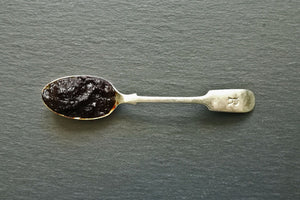
Organic red poppy seeds from an accidental crop on the Kingsclere Estate in Hampshire.
We've some 1kg bags with a very short date - best before end October 2026 but still in good shape. Snap them up at 50% off.
|
Organic farmers often find wild poppies growing in their cereal fields. Large numbers of poppy plants can reduce cereal yields but generally they’re not a problem and bring beneficial diversity above and below the ground.
We’ve been learning how to harvest and separate such edible ‘weed’ seeds from other crops. These poppy seeds are the fruits of that work.
The fine dark seeds of the common field poppy have historically been used in baking, added to batter or dough, or as a topping for biscuits and bread. In Eastern Europe the seeds are boiled in milk or water, ground and sweetened to produce a paste filling for pastries. The seeds are also pressed to produce culinary oil, much valued in France.
Try them toasted and stirred into mash or sprinkled on salads, veg or pasta.
Complete Product Details
-
How to use
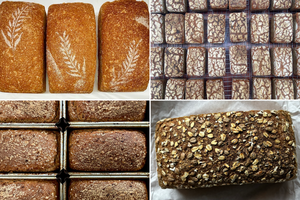
A tasty and nutritious addition to sweet or savoury baking. Add to doughs, cake mix and batters, or use as a topping for bread, biscuits and more.
Or toast and sprinkle on salads, coleslaw, vegetables or pasta, add to curries, or stir into mash. Also good in chutneys and dressings.
Unpasteurised seed - do not consume raw.
-
Ingredients
Red Poppy Seed
Allergy information
No allergens
-
| Typical values |
Per 100g |
| Energy |
2200kJ (525kcal) |
| Fat |
42g |
| of which saturates |
4.5g |
| Carbohydrate |
8.1g |
| of which sugars |
3.0g |
| Fibre |
20g |
| Protein |
18g |
| Salt |
<0.01g |
| Calcium |
1,440mg |
| Magnesium |
347mg |
| Iron |
9.8mg |
| Zinc |
7.9mg |
-
Suitable for vegans and vegetarians