About Hodmedod

Hello! You have been redirected from the Great British Beans website.

Following the successful Great British Beans trial, we established Hodmedod to source and supply British fava beans and other pulses.

Hodmedod sources produce from British farms to supply the best ingredients. We’re particularly interested in searching out less well-known foods, like the fava bean, which we still grow and export but haven’t eaten in Britain for centuries.

Our products

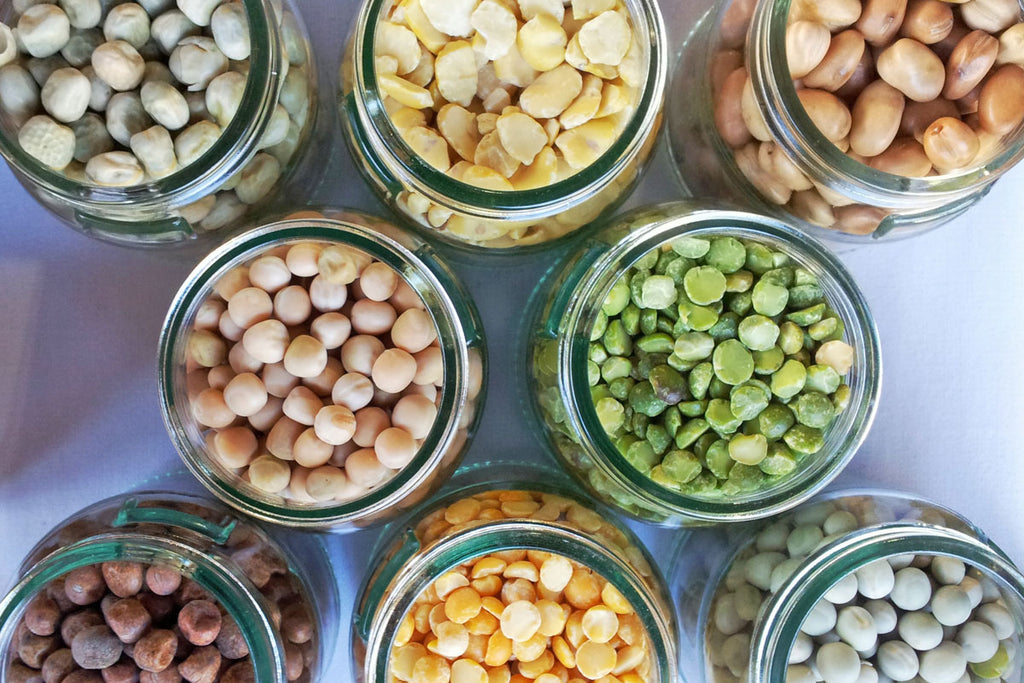
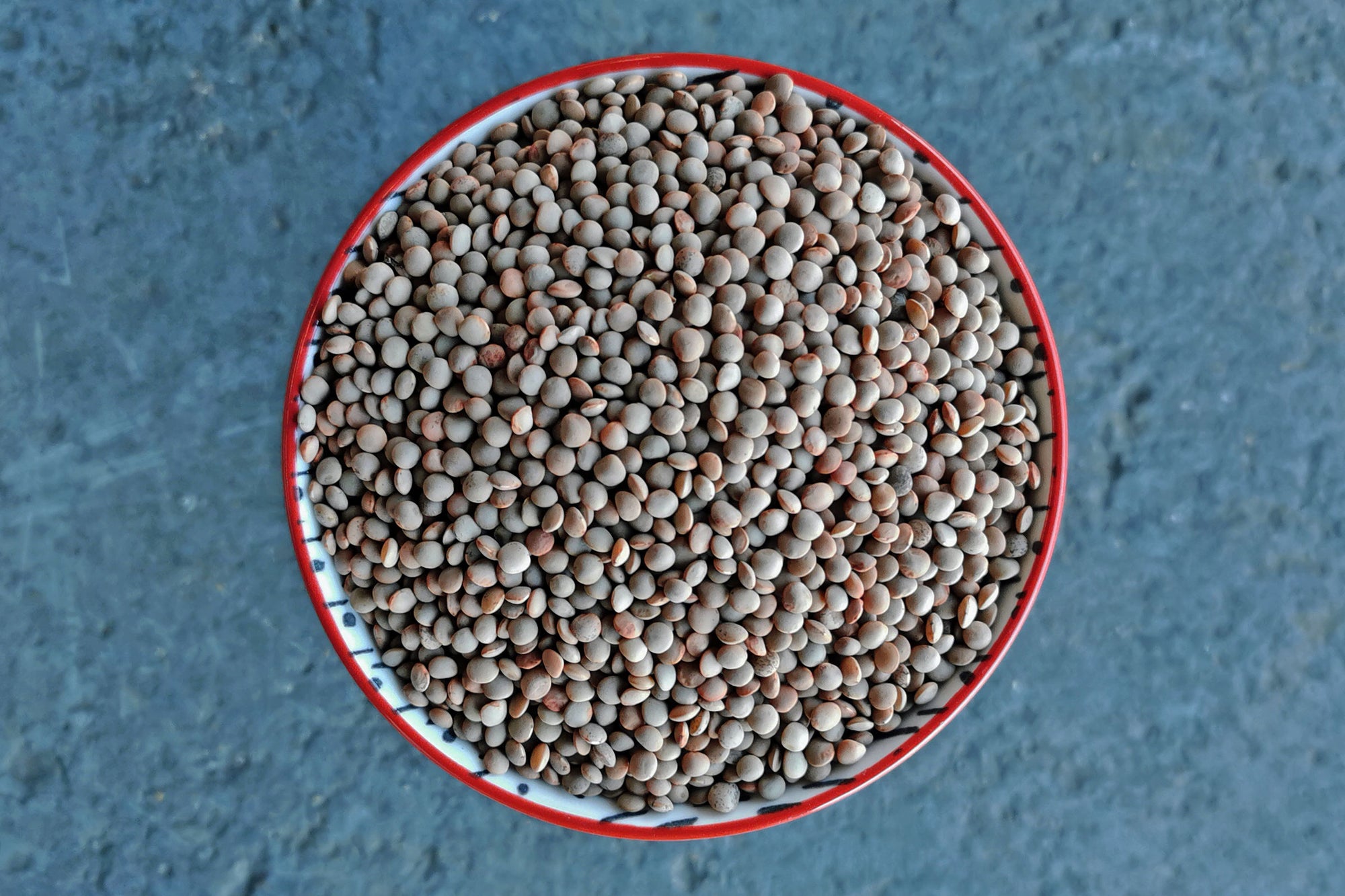
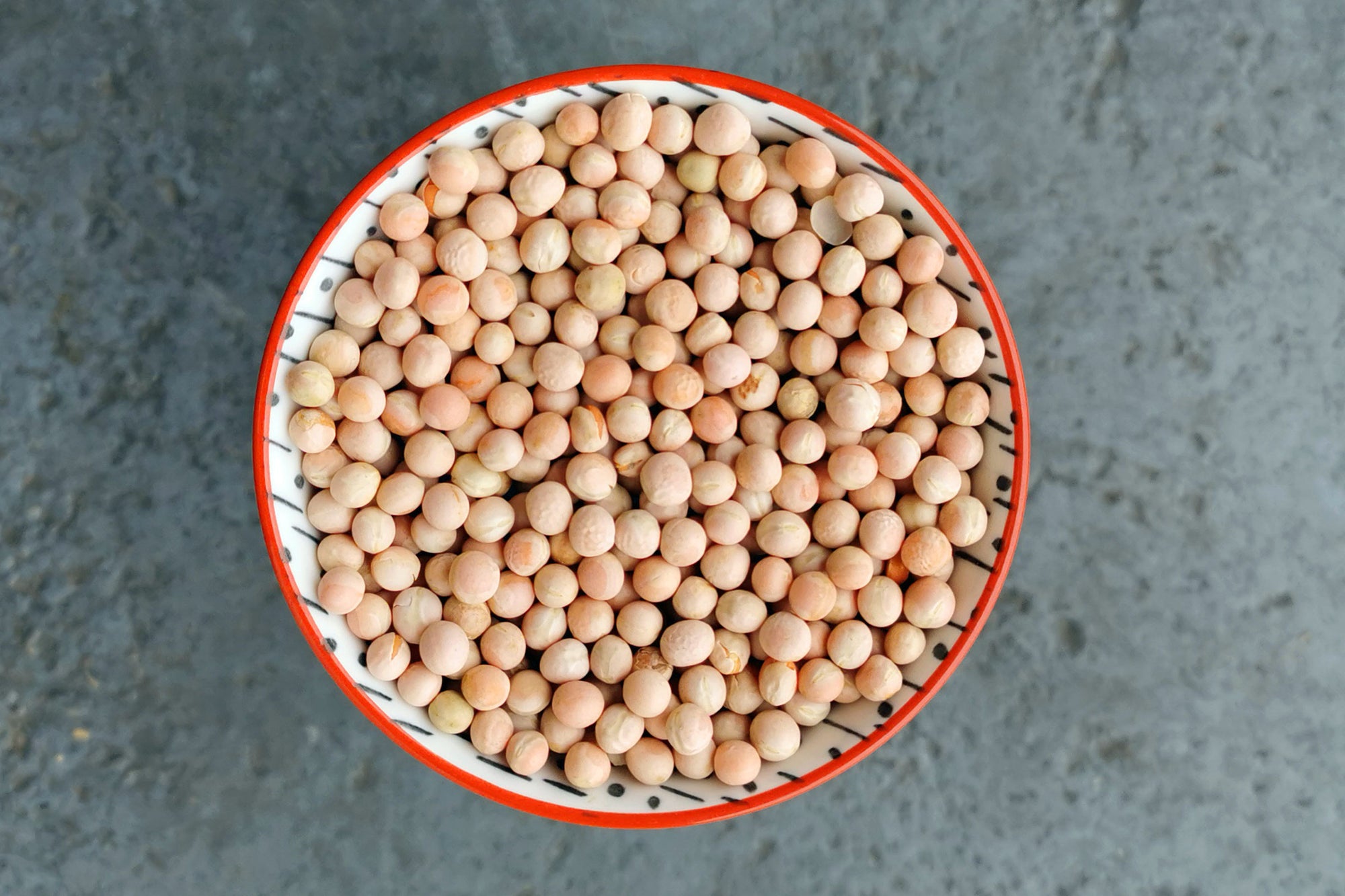
We currently sell a range of British pulses – split fava beans, whole fava beans, Kabuki marrowfat peas – in kitchen packs and bulk catering sacks. 12.5kg catering sacks of large blue peas, yellow peas, split green peas and split yellow peas will be available soon. And the black badgers are coming… (They’re maple, or carlin, peas.)

Our products are now available to order from our online shop and will soon be available in selected discerning outlets – watch this space for news! We can also supply wholesale customers – please contact us for more information or to set up an account.

About Hodmedod

Hodmedod Ltd is a new business, founded by Nick Saltmarsh, Josiah Meldrum and William Hudson in 2012 and based on the Norfolk-Suffolk border. We share a belief in good, sustainable and local food, and have worked together on sustainable and local food projects over many years through our partnership Provenance and for the regional NGO East Anglia Food Link.

The Great British Beans trial project

We founded Hodmedod following the successful Great British Beans trial project to stimulate and assess demand for indigenous pulses. This project was run by Provenance for East Anglia Food Link as part of its Norwich Resilient Food Project, which was developed with Transition Norwich.

If you’d like to know more about us or our products, please do get in touch.

12 Responses to “About Hodmedod”

  1. mary cundy | January 19, 2013 at 8:23 am #

    Why the name Hodmedod with a picture of a hedgehog beside it.?My grandfather called snails hodmedods….

    • Nick Saltmarsh | January 19, 2013 at 4:05 pm #

      It all depends if you’re in Norfolk (where it means hedgehog) or Suffolk (snail)! Though our logo is a hedgehog there’s a snail hidden in the illustrations on all our boxes.

      (And apparently if you’re in Berkshire – or Wikipedia – a hodmedod is a scarecrow…)

  2. Lynne @josordoni | February 2, 2013 at 10:25 am #

    Hi Nick, love your split favas, but there are only the two of us, so it is tricky to buy small quantities without the high postage costs, but would you think of putting together a multipack of a selection of each of the types of bean? That would give me lots to play with, but not kick the price up so high.

    What do you think?

    • josiah Meldrum | February 2, 2013 at 11:03 am #

      Hi Lynne, we’re planning to do exactly that – we’ve been waiting until the Black Badgers are ready as that’ll give us a multi-pack with 3 each of the 4 varieties we do in 500g boxes. But until then (and it won’t be long) you’re welcome to make up your own multipack from those we do have – for example 5 x split fava, 2 x whole fava and 2 x kabuki would take you over the free delivery threshold…

      Josiah

      • Lynne @josordoni | February 7, 2013 at 3:34 pm #

        Oh thank you very much indeed!! I will wait for the Black Badgers and look forward to the multipack. Great news!

  3. margaret | February 3, 2013 at 12:16 pm #

    Fascinated by your story in the Guardian “Cook”. Fava beans are referred to in a book of bean recipes I have owned for 30 years or more but the way the article is written implies that you were ignorant of broad beans and their finest dish of broad beans and bacon. They are of course grown in most if not all vegetable gardens in this country and sold in every greengrocers and supermarket in the land.

    A very irritating article. Broad beans used to appear in school dinners in the 1940s if not earlier.

    • josiah Meldrum | February 3, 2013 at 8:17 pm #

      Hi Margaret,

      Thanks for your comment – broad beans and bacon is a classic recipe, delicious! However it’s generally made with fresh broad beans and we’re trying to reintroduce the dried bean (in part we’re calling them ‘fava’ to help with the differentiation). Perhaps the Guardian article wasn’t clear enough about that.

      The dried beans – and certainly the ones grown and dried in the UK – tend to be smaller varieties than those grown to be eaten fresh and aren’t often grown in gardens or on allotments but instead in large acreages on farms. They’ve been an important part of the British agricultural system since the Iron Age (we’re not claiming to have discovered them!) and, up until four or five hundred years ago, were a staple part of the diet (along with peas). They faded from popularity and became stigmatised as a food of the poor as Britain became wealthier and meat and dairy became a more important and common part of the diet – it was at that time we began eating them green for the first time – a habit that has stuck.

      There’s more here: http://hodmedods.co.uk/products/all-about-fava-beans/ and over the next few months we’ll be adding more information about the history and use of the beans in this country.

      Best wishes,

      Josiah

  4. roz brown | February 15, 2013 at 3:57 pm #

    SO pleased to learn about the fava bean becoming available from UK sources! Ever since a trip to Egypt I have wished we could get them from the UK, having seen them in profusion in fields here. Now, what would also be good, is to source a supply of UK produced fava flour so we can make authentic falafel as well. Any chance of that? And are any of your suppliers organic?

    • Josiah | February 15, 2013 at 5:38 pm #

      Delighted we could help Roz! In fact, and amazingly, a lot of the beans eaten in Egypt are actually grown here.

      You don’t actually need fava flour to make falafels – our dried split beans work very well (though a food processor really helps): http://hodmedods.co.uk/recipes/egyptian-falafels/ One of our customers is actually experimenting with producing her own flour – we’ll let you know if she’s successful.

      There’s a bit more about falafels over on our Facebook page with a link to some great recipes: http://www.facebook.com/hodmedods/posts/303237926446475

      Our beans are not organic (yet), but we’re working hard on it – in fact in the last couple of days we’ve had a bit of a break through and hope to be offering organic beans later this year.

      A lack of confidence in the market combined with the difficulties associated with cleaning small batches and the risks of pests and disease all put organic farmers off. The first step for us is demonstrating demand – and we’re doing that; enquires like yours support us when we’re talking to organic farmers.

      Thanks and best wishes,

      Josiah

  5. Belinda Hopkins | June 4, 2013 at 8:37 am #

    I tore out the article from the Guardian 3 months ago and just re-found it. So excited to be ordering fava beans from the UK. We were even thinking of trying to grow our own – having been puzzled for years that UK farmers export all our own abroad! But the amount we’ll eat make this rather ambitious.

    We’ve ordered a huge sack and I bet they won’t last long! We love Ful Medames and experimenting with all sorts of bean and lentil recipes – so thank you!

    And great to see you come from Norfolk. We were both at UEA and lived in and around Norwich for many years.

    • Nick Saltmarsh | June 4, 2013 at 10:54 am #

      Thanks so much for your enthusiasm about our beans. We were also puzzled that fava beans have long been widely grown in the UK but recently barely eaten here at all – it’s exciting to be doing something to change that and bring British fava beans back to British bean lovers. Enjoy your ful medames and please do let us know about any other recipes you come up with.

Trackbacks/Pingbacks

  1. - Blok Knives - April 22, 2013

    [...] my last visit I came across hodmedod’s fava beans. I’m a huge sucker for nice packaging and I have to admit that’s what drew [...]

Leave a Reply